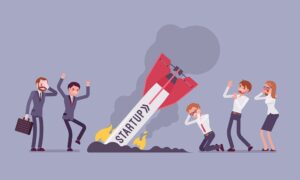
Failed Startup Ideas: Patterns, Pitfalls, and Lessons Every Founder Must Learn
Not all ideas are created equal. Some are doomed before you even register the domain. studying failure is one of the fastest ways to success.


Not all ideas are created equal. Some are doomed before you even register the domain. studying failure is one of the fastest ways to success.

Imagine stepping onto what looks like solid ground, but it’s actually a tar pit. You feel stuck and can’t move forward. That’s how some startup ideas feel.

Most startup failures trace back to one root cause: building something nobody actually needs. In fact, 42% of startups fail because there’s no market demand.
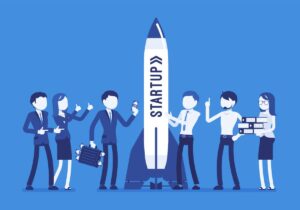
Most companies are not in the business of buying ideas. What they really buy is proven potential. Executed traction. Something they can either scale or plug into their current ecosystem.
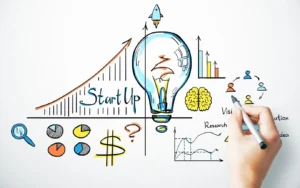
In today’s startup world, ideas move fast, and if you’re not protecting yours, someone else might beat you to it. Investors, partners, and even competitors are watching for the next great thing. If you’ve got it, the clock is ticking.


eopolitical tension flared over the weekend as the U.S. launched targeted airstrikes on Iranian nuclear sites, escalating a long-simmering standoff. Oil initially surged 4% on the news—but then something odd happened.
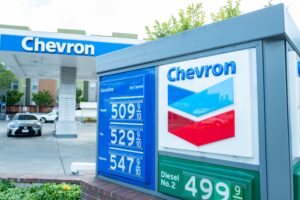
California’s gas prices are flirting with crisis levels again, and this time, it’s not just seasonal noise. Two major refineries; Valero’s in Benicia and another unidentified operator, have shut down operations due to unexpected issues. The result? Analysts now warn prices at the pump could spike to $8 per gallon in parts of the state.
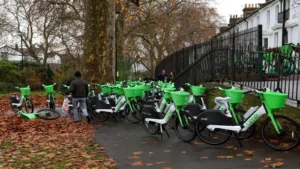
The electric scooter and bike-sharing startup is now gearing up for a U.S. IPO, and this time, it’s walking into public markets with real numbers. Goldman Sachs and JPMorgan Chase are on deck to lead the process, with a listing expected sometime in 2026.

Pangram, a startup co-founded by ex-Tesla and Google engineers, just raised $4 million to expand its AI-detection platform. It’s already used by Quora, NewsGuard, and major universities to spot synthetic text.