

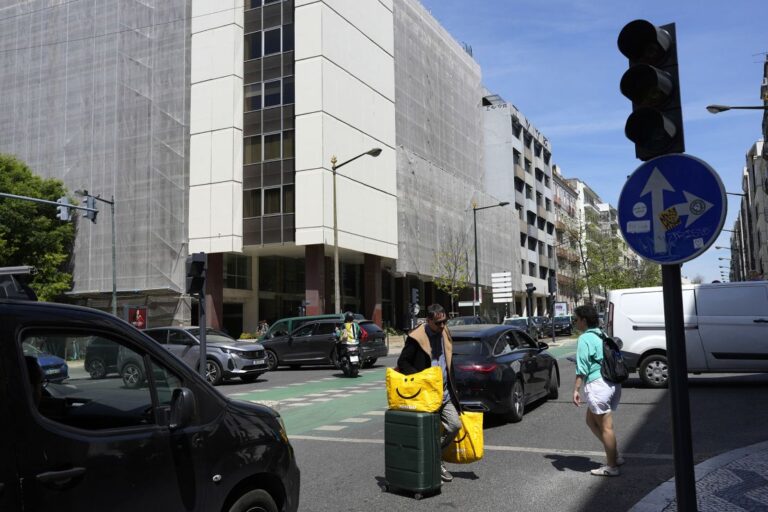
In a dramatic turn of events, millions in Spain and Portugal went dark this week as the two countries were hit by one of the most severe recent blackouts.
On Monday afternoon, entire cities such as Madrid, Barcelona, Lisbon, and Porto just lost power, bringing everyday life — and business — to a standstill. Subway lines stopped running halfway. Traffic lights went dark. Supermarkets closed. Offices lost power. And in both countries, internet and cellular networks flickered or went down altogether.
What was the reason behind this pandemonium? Early reports ruled out a cyberattack, which most at first feared. Instead, experts believe that a rare atmospheric shift linked to extreme temperatures may have triggered the sudden grid failure — though investigations persist.
Business Takes a Big Hit
While families were struggling to find flashlights and fans, the business sector took a severe punch to the gut. Spain’s biggest corporate lobby, CEOE, estimates the damage to the nation at up to €1.6 billion in lost productivity, destroyed goods, and damaged equipment.
Among the worst-hit sectors are food manufacturing and logistics. Spain’s meat industry alone lost €190 million, with cold storage warehouses imploding and destroying massive amounts of inventory. Small businesses — already battered by inflation and waning demand — must now contend with destroyed merchandise, canceled shipments, and service bottlenecks.
In Portugal, too, companies faced such disruptions. One Lisbon-based tech startup lost valuable data during the blackout: “We were in the middle of a product launch,” said the CEO. “This put us back days, maybe weeks.”
A Wake-Up Call for Europe?
This blackout was more than a local problem, it’s a deafening alarm bell for the rest of Europe. With heatwaves intensifying and infrastructure aging on the continent, experts say this could be a harbinger for things to come.
We need to develop a more intelligent, more robust grid,” said an Iberdrola energy analyst. “This shows how much our systems are susceptible to climate and demand stress.”.
As investigations continue, Spanish and Portuguese governments are under pressure to upgrade infrastructure and fit safety features to prevent future meltdowns. Their neighbors are watching closely, knowing that the same failure could just be one heatwave away.
Bottom line
Not only was the blackout a nuisance — it was a multi-billion-euro punch to two of Europe’s biggest economies. From power grids to supply chains, the ripple effects are being felt across the board. And if it doesn’t change quickly, this could be only the beginning.
What do you think? Should Europe be investing more in energy resilience? Subscribe to BizHedge, your smarter path to sharper business insights!