


What is AI and Why Should Businesses Care?
Artificial Intelligence (AI) isn’t just about robots taking over the world—it’s about making businesses smarter, more efficient, and more profitable. In simple terms, AI refers to computer systems that can mimic human intelligence to perform tasks like decision-making, problem-solving, and even understanding language.
From chatbots answering customer inquiries to predictive analytics optimizing supply chains, AI is transforming how businesses operate.
In this blog, I will take you through everything you need to know about AI and why you should care about how the AI trend is reshaping the business world. Continue reading to discover more;

AI’s Growing Impact on Business
The adoption of AI in business isn’t just a futuristic concept, it’s actually happening right now, across industries. Here’s how AI is making waves:
- Enhanced Customer Experience: AI-powered chatbots and virtual assistants are improving customer service by providing instant responses, personalized recommendations, and 24/7 support. For example, Amazon’s Alexa and Apple’s Siri have changed how consumers interact with technology.
- Automation and Efficiency: AI automates repetitive tasks, freeing up employees to focus on strategic work. Tools like UiPath’s robotic process automation (RPA) help businesses streamline operations, reducing costs and boosting productivity.
- Data-Driven Decision-Making: Companies are now using AI to analyze vast amounts of data, uncovering patterns and insights that inform better decision-making. Netflix, for example, uses AI to recommend shows based on viewing history, increasing engagement and customer retention.
- Cybersecurity and Fraud Prevention: AI strengthens security by detecting and responding to cyber threats in real-time. Financial institutions use AI-driven algorithms to spot fraudulent transactions, preventing billions in potential losses each year.
- Personalized Marketing: AI helps brands create hyper-targeted campaigns by analyzing customer behavior. Companies like Spotify and Google use AI to tailor ads and recommendations, ensuring a more relevant user experience.
Real-World Examples of AI in Action
- Tesla’s Self-Driving Technology: AI powers Tesla’s autopilot feature, which uses machine learning to navigate roads, detect obstacles, and enhance safety.
- Healthcare Innovations: AI assists in diagnosing diseases, predicting patient outcomes, and even developing new drugs. IBM’s Watson, for instance, helps doctors identify treatment options based on medical data.
- Retail and E-commerce: AI-powered recommendation engines, like those used by Amazon and Shopify, drive sales by suggesting products customers are likely to purchase.
The Future of AI in Business
AI is not a passing trend; it’s a revolution that’s here to stay. As technology continues to evolve, businesses that embrace AI will gain a competitive edge, streamline operations, and deliver better experiences for customers. Whether you’re a startup or a Fortune 500 company, integrating AI into your business strategy is no longer optional—it’s essential.
So, the big question is: How is your business adopting AI?
The Rise of Remote and Hybrid Work: The Future of Business Flexibility
A few years ago, the idea of working from home in your pajamas while sipping coffee from your favorite mug sounded like a dream. Today, it’s the new normal. Thanks to technology like Zoom, Microsoft Teams, and Slack, businesses have embraced remote and hybrid work models at an unprecedented pace. What started as a necessity during the pandemic has evolved into a fundamental shift in how companies operate, and this trend isn’t going anywhere.
In this blog, we’ll explore why so many businesses are making the shift to remote work, and why yours should too. Keep reading!

The Shift Toward Flexible Work
The rise of remote and hybrid work can be credited to advancements in technology. In a surprising twist, office attendance in 2024 was 30% lower than in 2019, indicating a continued shift towards hybrid work models.
Platforms like Zoom, Microsoft Teams, and Slack have bridged the gap between in-person and virtual collaboration, making it easy for teams to stay connected no matter where they are.
Businesses have quickly adapted to this new way of working, offering employees the flexibility to work from home, at the office, or a mix of both. Hybrid models, in particular, are gaining popularity, allowing employees to split their time between remote and in-office work based on their needs and job roles.
Why Businesses Are Embracing Remote and Hybrid Work
This shift is not just about convenience, it’s a strategic move that benefits both employers and employees. Here’s why businesses are making remote and hybrid work a permanent fixture:
- Talent retention and work-life balance – Did you know that 62% of employees report increased productivity when working from home? Well, employees are prioritizing flexibility, and companies that offer remote or hybrid options are more likely to attract and retain top talent. Workers with better work-life balance report higher job satisfaction and productivity, leading to reduced turnover rates.
- Operational cost savings – Maintaining large office spaces is expensive. By adopting hybrid or fully remote models, companies can cut down on rent, utilities, and office supplies, reallocating these funds toward growth and innovation. The average U.S. employer can save $11,315 per year for each employee who works remotely part-time.
- The need for strong cybersecurity – With teams working from different locations, cybersecurity has become a top priority. Companies must invest in secure networks, VPNs, and multi-factor authentication to protect sensitive data and maintain business continuity.
A Success Story: GitLab’s Fully Remote Model
One company that has mastered the art of remote work is GitLab. As a fully remote company with no physical offices, GitLab has built its success on strong digital collaboration and top-tier security measures. They use cloud-based tools to keep teams connected, prioritize clear communication through documentation, and ensure data security with strict cybersecurity protocols. Their success proves that a well-structured remote model can be just as effective—if not more—than a traditional office setup. You want to know how they do it, read more in their all remote handbook.
How to Succeed in the Remote and Hybrid Work Era
If your business is looking to embrace remote or hybrid work, here are some key strategies to ensure success:
- Invest in the right tools – Use communication and project management platforms like Slack, Zoom, and Asana to keep teams aligned and productive.
- Prioritize cybersecurity – Implement strong security measures, including encrypted connections, secure logins, and regular training for employees on data protection.
- Foster a collaborative culture – Ensure employees feel connected through virtual team-building activities, regular check-ins, and an inclusive remote work policy.
- Set clear expectations – Define work hours, availability, and performance metrics to keep everyone on the same page.
The Future is Flexible
And there you have it—remote and hybrid work aren’t just trends; they’re the future of business. Companies that prioritize flexibility will enjoy happier employees, reduced costs, and the ability to adapt in an ever-evolving world. The real question isn’t whether remote work is here to stay—it’s how well your business will integrate it for long-term success.
Is your company ready to embrace the future? Now is the perfect time to make flexibility a key part of your business strategy.
The Customer Experience Revolution: How Personalization is Reshaping Business
Imagine walking into your favorite coffee shop, and before you even order, the barista hands you your usual drink with a smile. Now, picture this level of personalization but on a business scale—across websites, apps, and services.
That’s the exact power of data-driven customer experience, and by 2025, AI is expected to power 95% of customer interactions. But how are businesses leveraging technology to deliver hyper-personalized experiences, and why does it matter? Read on to discover more!
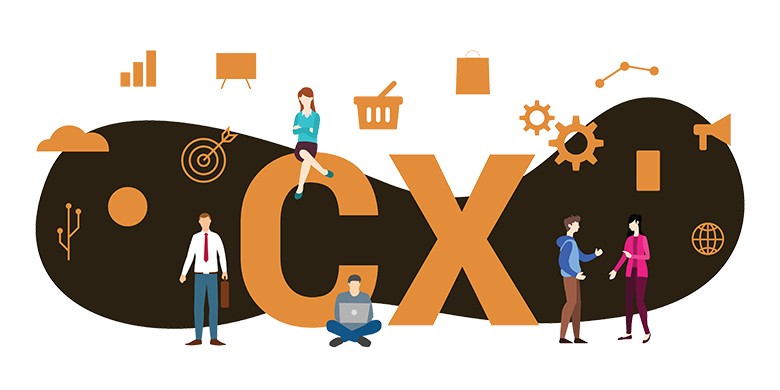
The Power of Personalization: Data Meets Customer Experience
Businesses today are sitting on a goldmine of customer data, this includes purchase history, browsing behavior, past interactions, and even sentiment analysis. With advanced technology like Customer Relationship Management (CRM) systems and AI-driven insights, companies can anticipate customer needs before they even express them.
Take AI-powered chatbots, for example. They provide instant responses, analyze customer concerns, and even predict potential issues. CRM systems consolidate data from multiple touchpoints—social media, email, website visits—allowing businesses to craft seamless, personalized interactions. This isn’t just about convenience; it’s about creating a relationship between brand and consumer.
Why Personalization is a Game Changer
Personalization is not just a nice-to-have—it’s a competitive advantage. Customers today expect more than just quality products; they want brands to know them, understand their preferences, and provide tailored recommendations.
More than half of customers will choose a competitor after just one poor customer experience.
Here’s how personalization is changing the game:
1. Enhanced Customer Satisfaction
Ever reached out to customer support and had to explain your issue multiple times? Frustrating, right? Personalization eliminates this pain point. AI-driven systems track previous interactions, meaning customers don’t have to repeat themselves. This leads to quicker resolutions and a more enjoyable experience.
2. Stronger Brand Loyalty
Consumers are more likely to stick with brands that offer tailored experiences. Studies show that 80% of consumers are more likely to do business with a company that offers personalized experiences. When customers feel understood, they return.
3. Higher Revenue Growth
Brands that personalize interactions see significant financial benefits. According to McKinsey, companies that excel in personalization generate 40% more revenue than those that don’t. Why? Because personalized recommendations drive conversions.
Netflix: The Gold Standard of AI-Driven Personalization
A perfect example of personalization done right? Netflix. The streaming giant has mastered AI-driven content suggestions, keeping users engaged for hours on end. Every time you log in, Netflix analyzes your viewing habits—what you watch, how long you watch, even whether you finish a show or abandon it midway.
Using this data, Netflix curates a unique homepage for every user, suggesting movies and series tailored to individual preferences. This hyper-personalized experience not only enhances user satisfaction but also reduces churn rates, ensuring customers keep coming back. The result? A highly engaged audience and a booming business model.
The Future of Customer Experience: Where Do We Go from Here?
By now, you’re probably wondering: How can you make your customer experience truly stand out? The answer lies in using technology to meet evolving customer expectations.
AI-driven insights, predictive analytics, and real-time personalization are no longer futuristic concepts—they’re becoming standard practice. It is without doubt that businesses that embrace these innovations will set themselves apart in a crowded marketplace.
So, ask yourself—how personalized is your customer experience strategy?
Cybersecurity: The Business Imperative You Can’t Ignore
Would you leave your office doors unlocked overnight? Probably not. But every day, businesses unknowingly do the digital equivalent—leaving data, systems, and customer information vulnerable to cyber threats.
By 2025, cybercrime is projected to cost the global economy $10.5 trillion annually. In an era where data is gold, cybersecurity is no longer an afterthought, it’s a business necessity. So, how are companies stepping up their security game? Read on to find out;

The Rise of Cybersecurity-Driven Business Strategies
Cybersecurity is no longer just an IT concern; it’s a core business strategy. Companies are using cutting-edge technology to protect their assets, ensure compliance, and maintain customer trust. Here’s how businesses are securing their digital frontiers:
1. AI-Powered Threat Detection
Traditional cybersecurity measures are no match for today’s sophisticated cyber threats. Businesses are now turning to artificial intelligence (AI) to detect anomalies in real time. AI-driven security systems analyze vast amounts of data, identifying suspicious activities before they escalate into breaches.
2. Zero Trust Architecture
Gone are the days when firewalls alone could safeguard an organization. The Zero Trust model operates on a simple principle: “Never trust, always verify.” Businesses are implementing strict access controls, multi-factor authentication, and continuous monitoring to ensure only authorized users can access sensitive data.
3. Cloud Security Advancements
With remote work and cloud adoption on the rise, businesses are investing heavily in cloud security. End-to-end encryption, secure access gateways, and AI-driven cloud monitoring tools are helping organizations keep their data safe, no matter where employees are working from.
Why Cybersecurity Matters More Than Ever
Did you know that a single cyberattack can cripple a business—both financially and reputationally? Here’s why cybersecurity is an essential investment for your business:
1. Customer Trust and Brand Reputation
A data breach is a PR disaster. Customers expect businesses to safeguard their personal information. Companies that fail to do so risk losing consumer confidence, leading to decreased loyalty and revenue loss.
2. Regulatory Compliance
Governments worldwide are tightening cybersecurity regulations. Businesses that fail to comply with data protection laws like GDPR (General Data Protection Regulation) or CCPA (California Consumer Privacy Act) face hefty fines and legal repercussions. Prioritizing cybersecurity ensures compliance and avoids costly penalties.
3. Financial Protection
Cyberattacks can result in millions of dollars in losses. Ransomware attacks, in particular, have surged in recent years, with businesses being forced to pay hefty sums to regain access to their systems. Investing in cybersecurity is far cheaper than dealing with the aftermath of an attack.
The Wake-Up Call: The 2020 SolarWinds Cyberattack
Let’s talk about a wake-up call that really shook the cybersecurity world—the 2020 SolarWinds cyberattack. In this attack, hackers gained access to the systems of SolarWinds, a company that provides IT software to thousands of businesses and government agencies. They did this by sneaking malware into a software update, which then spread to organizations all over the world. This was not just a small-scale breach; it was massive, affecting high-profile clients and government entities. And what made it even scarier? It went undetected for months.
The SolarWinds attack shows just how sophisticated and far-reaching modern cyber threats can be. It’s a perfect example of why businesses, small or big, need to be constantly vigilant and invest in top-tier cybersecurity—because the stakes are higher than ever. Attacks like this can hit anyone, no matter their size or industry.
That’s why using advanced tools like AI-driven threat detection and Zero Trust models is so crucial. Your business needs to take a proactive approach to security to stay ahead of these evolving threats. The SolarWinds attack proves that no one is safe if they aren’t prepared.
Final Thoughts: Is Your Business Cyber-Ready?
There’s no doubt about it—cybersecurity isn’t a luxury; it’s a must. Businesses that neglect strong security measures put themselves at risk of financial loss, reputational damage, and legal issues.
The digital world offers endless opportunities, but it also comes with serious threats. So, the real question is—how secure is your business when it comes to cyber risks? Stay ahead of the game with the latest cybersecurity trends and more business insights. Subscribe to our newsletter today!